
US and Iran Trade Fresh Strikes as Middle East Conflict Flares Anew
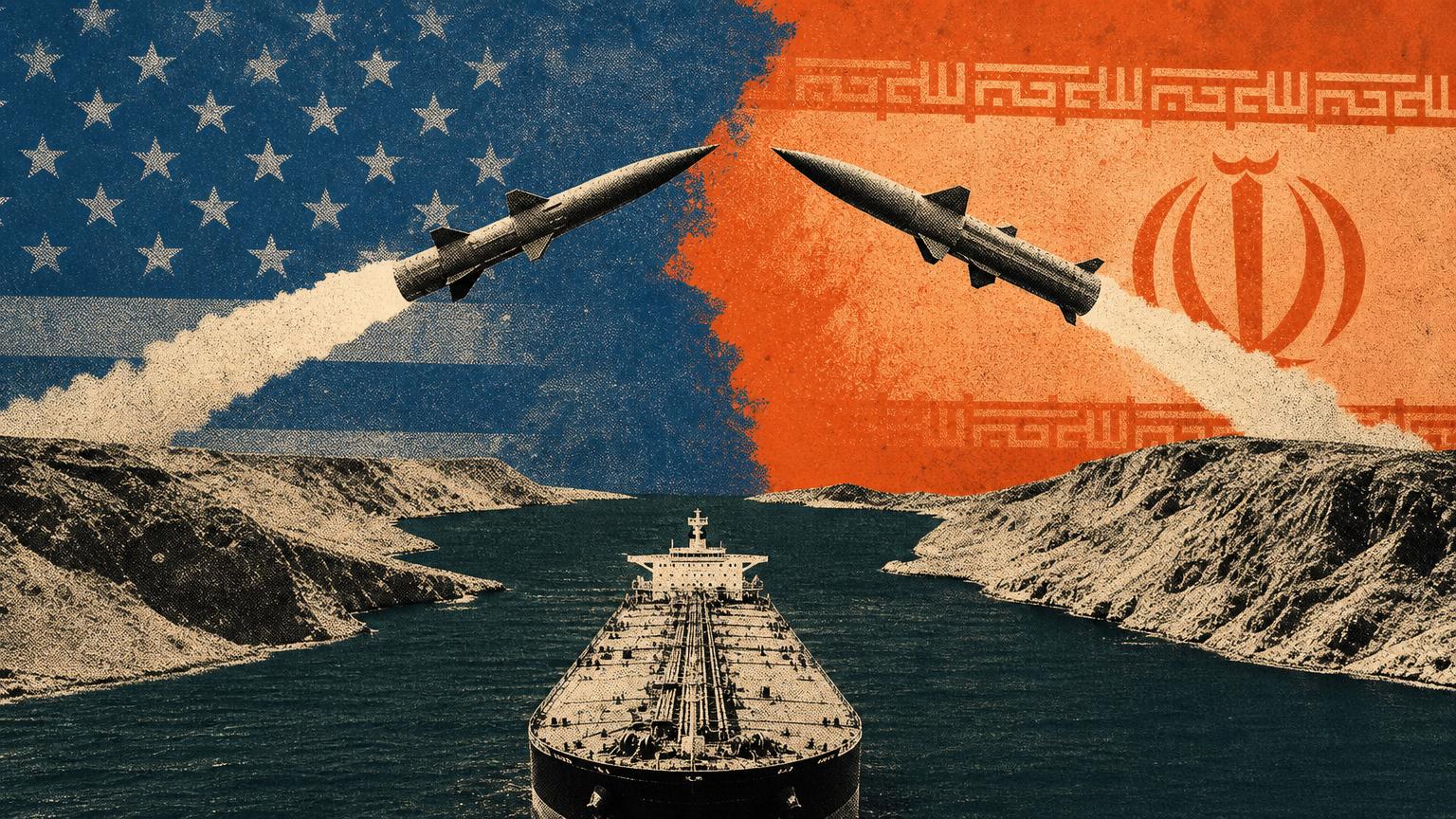
A new round of military strikes has ended weeks of relative calm between Washington and Tehran, sending oil prices higher and putting the Strait of Hormuz back at the center of global market concerns.
Topics: Stocks
KEY POINTS
The U.S. and Iran exchanged fresh military strikes in the most significant escalation between the two countries in weeks.
The renewed conflict has raised fresh concerns about security around the Strait of Hormuz, one of the world's most important energy shipping routes.
Oil prices have surged as traders price in the possibility of further supply disruptions.
Investors are now watching whether the conflict remains contained or develops into a broader threat to the global economy.
The Middle East conflict is heating up again.
The United States launched a new wave of strikes against targets in Iran, prompting retaliatory attacks against U.S. assets across the region. The exchange marked the most significant escalation between Washington and Tehran in weeks and raised new questions about whether the recent period of relative calm is over.
For financial markets, the most immediate concern is clear:
What happens to global energy supplies if the conflict escalates further?
That question helped push oil prices sharply higher, with Brent crude rising above $95 per barrel and U.S. crude moving above $90. Both benchmarks had already surged more than $4 during the previous session as fears of supply disruptions returned to the market.
The Strait of Hormuz Is Back in Focus
The latest escalation has once again put the Strait of Hormuz at the center of the story.
The narrow waterway is one of the world's most strategically important shipping routes and previously handled roughly one-fifth of global oil and liquefied natural gas flows.
Shipping through the region has already been heavily disrupted during the conflict, and Iranian officials have warned that restrictions could tighten further. Recent attacks on oil tankers and concerns over sea mines have added to fears that energy supplies could face further disruption.
That matters because even a relatively small disruption to global oil supplies can have an outsized effect on prices.
Energy markets don't need to lose all supply for prices to rise.
They only need traders to believe that future supply could be at risk.
And right now, that risk premium is growing again.
Oil Markets React Quickly
Oil prices were among the clearest market reactions to the renewed fighting.
Brent crude settled at $95.63 per barrel Wednesday, while West Texas Intermediate ended at $91.01, as investors responded to the latest exchange of strikes and the potential for further disruptions around the Strait of Hormuz.
The concern isn't just about what has already happened.
It's about what could happen next.
If the latest strikes lead to another round of retaliation, markets could begin pricing in a more prolonged conflict.
That could mean higher insurance costs for shipping, further disruptions to tanker traffic and additional pressure on global energy supplies.
And eventually, higher oil prices could make their way into the broader economy.
Higher Oil Could Create a New Inflation Problem
For investors, the biggest issue may not be oil itself.
It's inflation.
Higher crude prices can eventually feed into gasoline, diesel, transportation and manufacturing costs.
Those higher costs can then spread throughout the economy.
That's particularly important at a time when investors are already closely watching inflation and the future path of interest rates.
A sustained rise in energy prices could make it more difficult for central banks to ease monetary policy.
That creates an uncomfortable situation for markets.
Higher oil prices can increase inflation just as investors are hoping for lower interest rates.
Bond markets have already shown signs of concern, with rising energy prices contributing to renewed pressure on Treasury yields and broader worries about inflation.
For stocks, that's a combination worth watching closely.
Higher yields can pressure valuations, particularly for growth companies whose share prices depend heavily on expectations for future earnings.
What Investors Should Watch Next
The most important question now is whether the latest escalation remains limited.
If both sides step back, oil prices could quickly lose some of their geopolitical premium.
But if strikes continue and shipping through the Strait of Hormuz becomes even more restricted, energy markets could face significantly greater pressure.
Investors should be watching four things:
First, oil prices. A sustained move higher would signal that traders are becoming increasingly concerned about supply.
Second, shipping through the Strait of Hormuz. Any further disruption could have consequences far beyond the Middle East.
Third, Treasury yields. Rising energy prices and higher inflation expectations could push yields higher and create new pressure on stocks.
Finally, the response from Washington and Tehran. The next round of decisions could determine whether this remains a regional flare-up or becomes a much larger geopolitical and economic problem.
For now, markets are getting a reminder of something investors can sometimes forget during periods of relative calm:
Geopolitical risk can return quickly, and when it does, oil is often where the financial impact appears first.