
The Market Is Pricing In a Lot More Than Just Lower Rates, and Investors May Be Underestimating the Risk
Investors are betting that falling interest rates will unlock the next leg higher. But there may be more baked into stock prices than meets the eye.
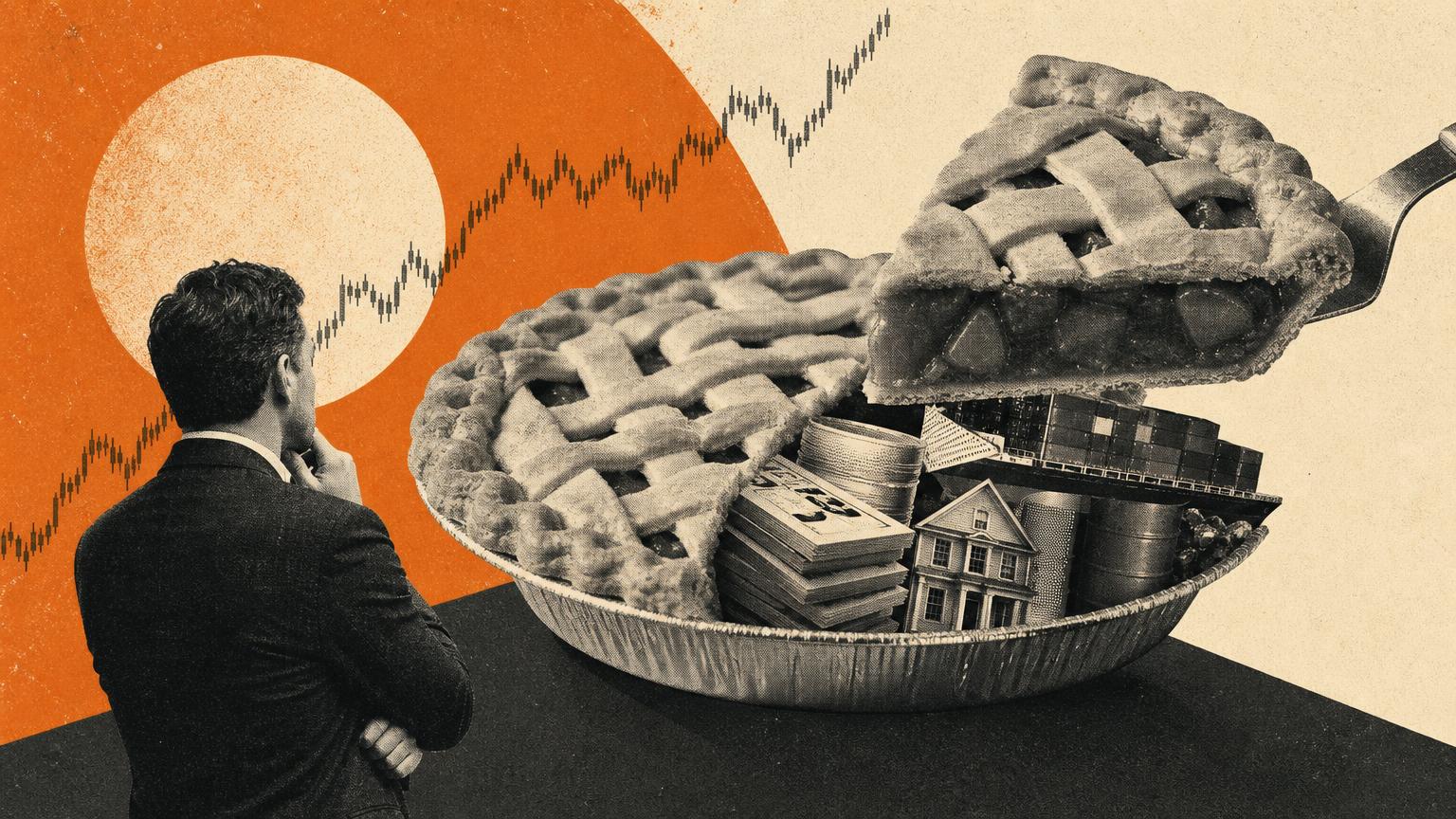
Topics: Macro Economics
KEY POINTS
Markets are increasingly pricing in a more favorable interest-rate environment.
Lower rates can boost valuations, especially for growth and technology stocks.
But rate cuts alone do not guarantee stronger corporate earnings.
Investors may be underestimating how much optimism is already reflected in stock prices.
The stock market has a simple message right now: things are getting better.
Inflation has cooled from its highs, expectations for interest-rate cuts have strengthened, and investors have continued pushing money into equities.
That combination has helped fuel a powerful rally across major indexes.
But there is an important question investors should be asking:
How much of this optimism is already priced in?
Markets don't wait for good news to actually happen. They attempt to price it in ahead of time.
That means stocks can rise substantially before the Federal Reserve actually cuts rates, before corporate earnings accelerate, or before economic conditions meaningfully improve.
And that's exactly what makes the current environment interesting.
Lower Rates Are a Big Deal for Stocks
Interest rates affect stocks in several ways.
The most obvious is valuation.
When Treasury yields and other interest rates fall, future corporate earnings become more valuable when discounted back to today's dollars. That can justify higher stock valuations.
Lower rates can also reduce borrowing costs for companies and consumers.
For businesses, cheaper financing can mean more investment, acquisitions and expansion.
For consumers, lower borrowing costs can support spending on everything from homes to cars.
That's why investors often view declining rates as a tailwind for stocks.
But there's another side to the equation.
The Market Can Price In Good News Too Early
The stock market doesn't need the Federal Reserve to actually cut rates for stocks to benefit.
Investors can start buying months in advance based on the expectation that cuts are coming.
The same thing happens with earnings.
If investors believe corporate profits will accelerate next year, they may bid stocks higher today.
That's why a company can report excellent earnings and still see its stock fall.
The results may have been good.
They just weren't better than what investors were already expecting.
This is particularly important after a strong market rally.
The higher stocks climb, the more future growth investors are implicitly paying for.
Technology Stocks Face an Especially High Bar
Growth stocks tend to be particularly sensitive to interest rates because a larger portion of their expected value comes from earnings further in the future.
That makes falling rates attractive.
But it also means valuations can become stretched when investors become overly enthusiastic about the rate-cutting cycle.
AI has added another layer to the story.
Investors aren't just betting that technology companies will benefit from lower rates. They're also betting that artificial intelligence will generate enormous amounts of revenue and profits for years to come.
That could absolutely happen.
But expectations matter.
If investors are already pricing in extraordinary growth, merely delivering strong growth may not be enough.
Companies may need to consistently exceed those expectations.
What Investors Should Watch Next
The biggest question isn't simply whether rates fall.
It's whether the combination of lower rates and economic growth can produce earnings growth strong enough to justify current valuations.
That's where the next phase of the market could get interesting.
If inflation continues falling, rates decline gradually and corporate earnings remain strong, stocks could have room to keep climbing.
But if rate cuts arrive because economic growth is weakening, the story becomes very different.
Lower rates would still be positive for valuations, but declining corporate profits could offset some of that benefit.
In other words, rate cuts aren't automatically bullish.
The reason behind the rate cuts matters.
For investors, that means watching more than just the Federal Reserve.
Keep an eye on inflation, Treasury yields, corporate earnings, consumer spending and forward earnings estimates.
Because the market may already be pricing in the easy part.
The harder question is whether reality can keep up with expectations.