The Fed Just Changed the Outlook for Stocks. Here’s What Investors Need to Know
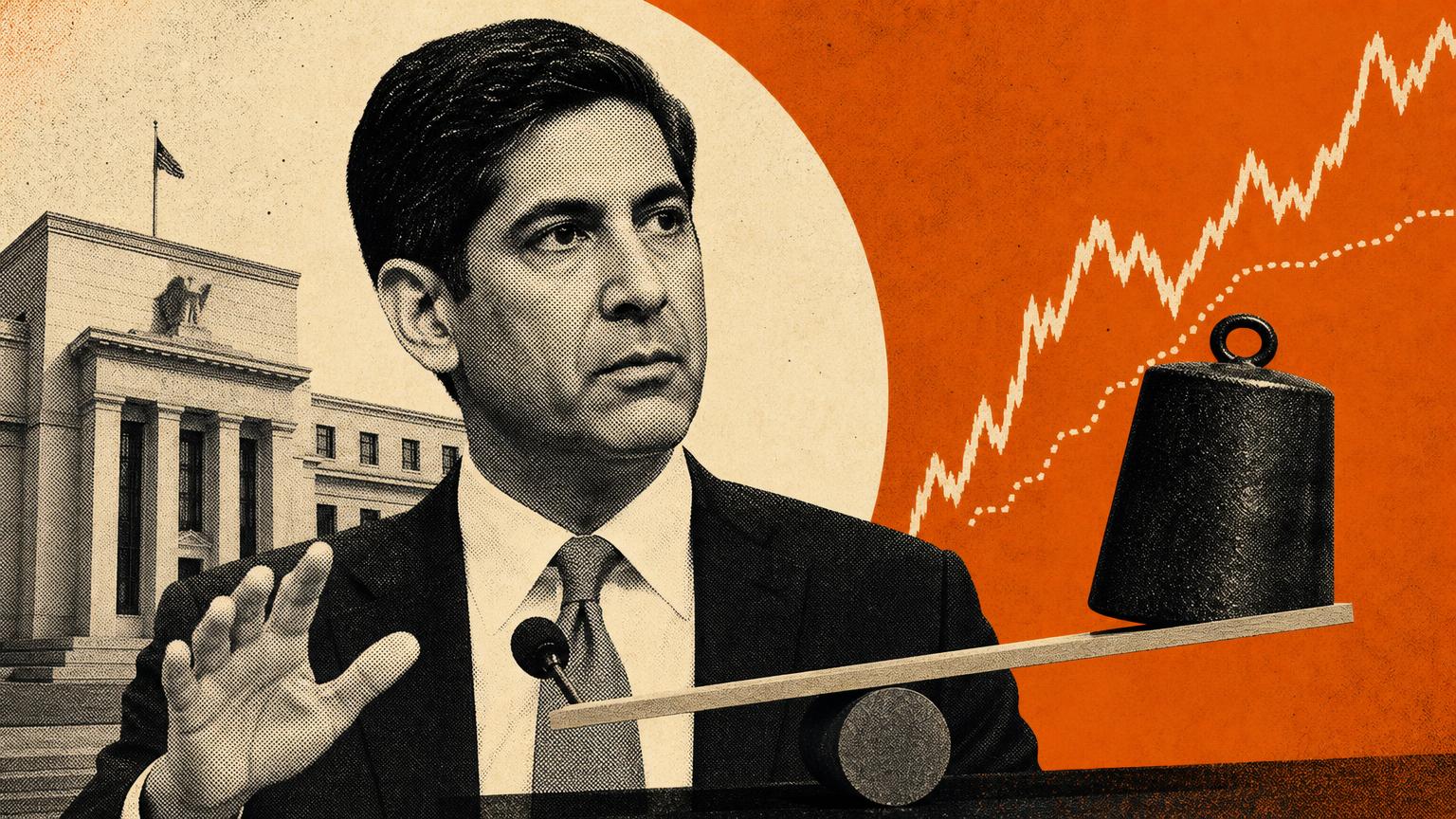
Kevin Warsh’s Jackson Hole speech sent a clear message: inflation isn’t beaten yet, and interest rates could move higher sooner than Wall Street expected.
Topics: Stocks
KEY POINTS
The Fed just sent a more hawkish message: Chair Kevin Warsh signaled that inflation remains a concern and higher rates are still possible.
September rate-hike odds jumped: Markets moved from roughly 35% to nearly 60% odds of a hike after his Jackson Hole speech.
Higher rates could pressure stocks: Growth and technology stocks are particularly vulnerable because higher yields make future earnings less valuable.
The next big test is inflation: Upcoming inflation data could determine whether the Fed hikes, holds, or eventually resumes cutting rates.
For most of 2026, investors have been betting on lower interest rates.
That trade suddenly looks a lot less certain.
Federal Reserve Chair Kevin Warsh used his closely watched speech at the Jackson Hole Economic Symposium on Friday to make one thing clear: the Fed is still focused on inflation, and it is willing to raise interest rates if necessary.
That caught markets off guard.
Traders had been pricing in roughly a 35% chance of a rate hike at the Fed’s September meeting. After Warsh’s comments, those odds climbed to nearly 60%.
The reaction was immediate.
The yield on the 2-year Treasury note jumped from around 4.22% to 4.35%, while the S&P 500 fell 0.2% and the Nasdaq dropped about 0.5%.
So why does this matter for investors?
Higher Rates Change the Equation
When interest rates rise, investors have to rethink what they're willing to pay for stocks.
This is particularly important for high-growth companies.
A technology company expected to generate most of its profits many years from now becomes less attractive when investors can earn substantially more from relatively safe Treasury bonds today.
That's one reason higher rates can put pressure on technology and other growth stocks.
It also affects consumers and businesses.
Higher borrowing costs can make mortgages, credit, business loans and corporate financing more expensive. That can eventually slow economic activity and reduce corporate earnings.
But there's another side to the story.
Meanwhile, Sasha “Ice” Petrov posted back-to-back 40-point games, vaulting himself into the spotlight. With upsets shaking up the standings, analysts are split on who’s truly leading the pack—and with half the season left, it’s anyone’s game.
The Fed Doesn't Want to Kill the Economy
Warsh isn't necessarily saying that rates will go higher.
He's saying the Fed needs to see convincing evidence that inflation is moving back toward its 2% target.
If inflation cools meaningfully before the September meeting, the Fed could still leave rates unchanged.
That's why the next round of inflation data could be extremely important.
The September meeting is scheduled for September 15-16, and the inflation report released shortly beforehand could play an outsized role in the decision.
In other words, investors are going to be watching the inflation numbers very closely.
What This Means for the Stock Market
The biggest takeaway isn't that investors should suddenly sell everything.
It's that the easy assumption of steadily falling interest rates has become much less reliable.
For investors, three things matter most over the next few weeks:
1. Inflation
If inflation remains stubbornly high, the probability of higher rates increases.
2. Treasury yields
Bond yields are becoming an increasingly important signal for where investors think Fed policy is headed.
3. Earnings
If companies continue producing strong earnings growth, stocks can withstand higher interest rates better than they otherwise would.
That's especially important in the current market, where a relatively small group of mega-cap technology companies has been responsible for a significant portion of the S&P 500's gains.
The Bottom Line
The Fed hasn't officially raised rates.
But Kevin Warsh just reminded Wall Street that rate cuts aren't guaranteed either.
The market had been positioning for a relatively friendly interest-rate environment. Now investors have to consider the possibility that the Fed could tighten policy again if inflation refuses to cooperate.
That makes the next few weeks particularly important.
For stock investors, the question isn't simply "Will the Fed raise rates?"
It's:
"Can corporate earnings continue growing fast enough to justify today's stock valuations if interest rates stay higher for longer?"
That's the question we're watching.