
Stocks Stumble Into September as Oil Surges and Bond Yields Spike
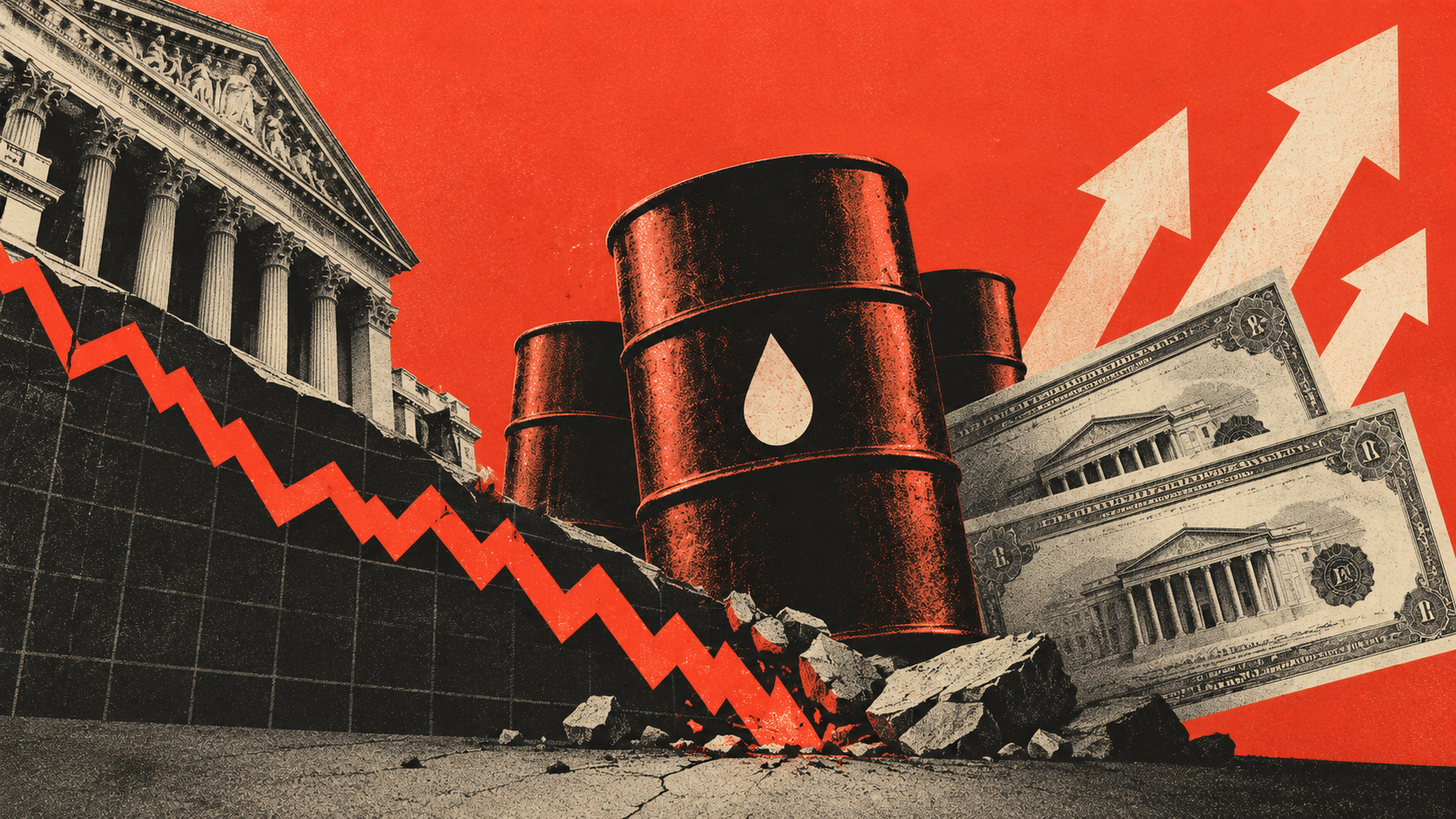
Higher yields and Middle East tensions send major indexes lower to start the month.
Topics: Macro Economics
KEY POINTS
The Dow fell 419 points (-0.79%), the S&P 500 dropped 0.71%, and the Nasdaq slid 1.03%.
Oil jumped after fresh U.S. strikes on Iranian targets, with WTI closing above $90 and Brent rising 4.6% to $94.65.
The 10-year Treasury yield climbed toward 4.80%, its highest level since early 2025, as global bond markets sold off.
September’s historically weak seasonal pattern begins under pressure from rising energy prices and tighter financial conditions.
September got off to a rocky start on Wall Street.
The Dow Jones Industrial Average fell 419 points, or 0.79%, to close at 52,767. The S&P 500 dropped 0.71% to 7,631, and the Nasdaq Composite led the decline, sliding 1.03% to 26,100. Small-caps fared even worse, with the Russell 2000 off about 1.2%.
The selloff was driven by two powerful forces colliding: a sharp jump in oil prices and a deepening global bond selloff that pushed yields higher.
Oil climbs on fresh Middle East escalation
Crude prices surged after the U.S. carried out new strikes on Iranian targets. West Texas Intermediate settled above $90 a barrel for the first time in more than a month, while Brent crude jumped 4.6% to $94.65.
The move reignited worries about potential disruptions to oil flows through the Strait of Hormuz and the broader risk that prolonged conflict could keep inflation stickier than markets had hoped.
Bond yields climb as inflation fears return
Higher oil prices fed directly into the bond market. The 10-year Treasury yield rose toward 4.80%, its highest level since early 2025. Overseas, Japan’s 10-year yield briefly touched 3% — a level not seen in roughly three decades — while yields in Europe also climbed.
Rising yields raise the cost of capital and make future earnings less valuable, which hit growth and technology stocks particularly hard. Several mega-cap names, including semiconductor leaders, traded lower on the day. Energy was one of the few bright spots as oil moved higher.
What it means from here
September has long been the weakest month of the year for U.S. stocks on average. Starting the month with higher oil, higher yields, and renewed geopolitical tension is an uncomfortable combination.
Investors are now watching two things closely: whether Middle East hostilities ease or escalate further, and how the Federal Reserve responds at its upcoming policy meeting. Markets have been pricing in a greater chance of tighter policy if inflation pressures reaccelerate.
Apple provided one of the day’s few positive notes, rising after John Ternus formally took over as CEO from Tim Cook.
The broader message from Tuesday’s session was clear: the market is sensitive again to the twin risks of energy prices and interest rates. How those two forces evolve in the coming weeks will likely set the tone for the rest of the month.
Stay sharp out there.