Stocks Are Falling. Here’s What’s Spooking Wall Street
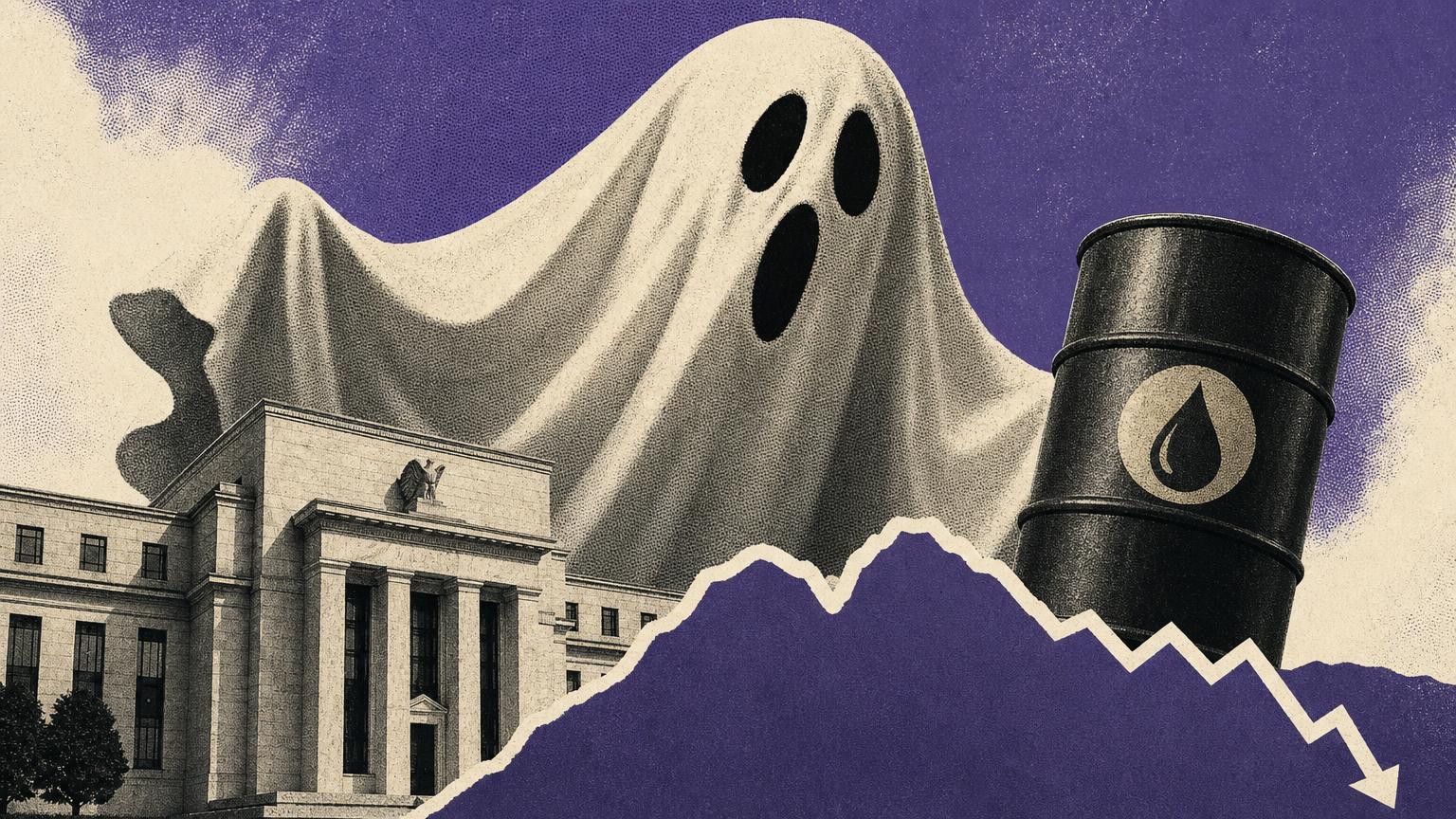
Oil is rising, Treasury yields are hitting multi-decade highs, and Wall Street is increasingly betting the Federal Reserve will hike rates again.
Topics: Stocks
KEY POINTS
Stocks fell across the board — the S&P 500 dropped 0.8% and the Nasdaq lost 0.9%.
Treasury yields jumped again — the 10-year climbed to roughly 5.25%, putting pressure on stocks.
Another Fed hike is looking likely — markets now put the odds of an October increase near 70%.
Special Report: The Rumors About Elon’s Next Move Are Spreading Fast (From The Oxford Club)
MARKET OVERVIEW
Market | Level | Change | |
|---|---|---|---|
🔴 ▼ | Nasdaq | 26,820.38 | 🔴 -0.92% |
🔴 ▼ | S&P 500 | 7,683.69 | 🔴 -0.77% |
🔴 ▼ | Dow | 51,481.51 | 🔴 -0.67% |
🔴 ▲ | 10-Year Treasury | 5.251% | 🔴 +7.0 bps |
🔴 ▼ | Bitcoin | $83,944.32 | 🔴 -0.49% |
🟢 ▲ | Oil | $92.60 | 🟢 +0.21% |
The quick read: Wall Street started the week on the defensive.
Stocks fell across the board Monday as two problems investors have been watching for weeks came roaring back into focus:
Oil and interest rates.
And increasingly, they're becoming the same problem.
Sam Altman's Next Venture Could Be 500 Times Bigger Than ChatGPT (Ad)
What Sam Altman's launching next could be 500 times bigger than ChatGPT, unlock an industry worth more than $1 million per American, and send one small group of stocks soaring as this news spreads.
Click here to learn about the stocks tied to Sam Altman's Next Venture.
THE PRESSURE IS BUILDING
Monday wasn't a catastrophic day for stocks.
But what caused the decline matters more than the size of it.
The S&P 500 dropped 0.8%, while the Nasdaq fell 0.9% and the Dow lost 0.7%.
More importantly, selling wasn't isolated to a handful of companies.
Declining stocks outnumbered advancing stocks by more than 3-to-1 on the New York Stock Exchange.
On the Nasdaq, there were 249 new 52-week lows compared with just 40 new highs.
That's a very different picture from a market where one or two giant technology stocks drag the index lower.
Investors were selling broadly.
And one of the biggest reasons was sitting in the bond market.
THE 10-YEAR JUST HIT 5.25%
The benchmark 10-year Treasury yield climbed to roughly:
5.25%
That's near levels not seen since 2007.
Meanwhile, the 30-year Treasury yield reached its highest level since 2004 before pulling back somewhat.
Why should stock investors care?
Because Treasury bonds are increasingly becoming real competition for stocks.
For much of the post-financial-crisis era, investors had a simple problem.
Bonds didn't pay much.
If you wanted meaningful returns, stocks were one of the few obvious places to go.
That equation looks very different when government bonds are yielding more than 5%.
Suddenly investors can earn substantial income from Treasurys without accepting the same level of risk they would by owning stocks.
And the higher those yields climb, the harder it becomes to justify extremely expensive stock valuations.
Here's Why Trump Won't End The Iran War (Ad)
They declared a ceasefire!
Until they didn't.
Then Trump said we were about to sign a deal.
Until we started shooting at each other again.
According to one source, Trump has said an Iran deal is "close" 38 times since the war began.
In the time between writing this message and you reading it, who knows whether we'll be hearing about an imminent deal... or more bombing.
And it doesn't matter.
This is all a distraction.
Here's the REAL reason why Trump may NEVER end this war.
THEN THERE'S OIL
The bond market isn't moving in a vacuum.
Oil prices jumped sharply early Monday before giving back much of the move later in the session.
U.S. crude ultimately settled at $92.60 per barrel, while Brent crude finished at $105.28.
The reason for all the volatility is familiar:
The conflict involving the U.S., Israel and Iran.
President Donald Trump rejected an Iranian peace proposal over the weekend, although expectations that Qatari mediators could continue negotiations helped oil retreat from its highs.
For Wall Street, the politics matter primarily because of what happens next to energy prices.
Expensive oil doesn't just hurt consumers at the gas pump.
It raises transportation costs.
It raises manufacturing costs.
It raises shipping costs.
And eventually some of those increases can work their way into consumer prices.
That's exactly what the Federal Reserve doesn't want to see.
OIL → INFLATION → THE FED
This is the chain reaction investors are worried about:
Oil rises.
↓
Inflation stays elevated.
↓
The Fed keeps interest rates higher.
↓
Treasury yields rise.
↓
Stocks become less attractive.
And right now, markets increasingly believe another rate hike is coming.
The Federal Reserve already raised interest rates by 25 basis points earlier this month—its first increase since 2023.
Now traders are pricing roughly a 70% chance of another hike in October.
One week ago?
That probability was around 58%.
One month ago?
Just 18%.
That's a dramatic shift in expectations.
Wall Street went from wondering when interest rates would fall to wondering how much further they could rise.
THE BOND MARKET MAY BE THE REAL STORY
For years, investors became accustomed to one idea:
TINA — There Is No Alternative.
With interest rates near zero, stocks were almost the default destination for capital.
That era is gone.
At a 5.25% 10-year Treasury yield, investors actually have alternatives.
And that creates a particularly interesting problem for expensive growth stocks.
Consider a technology company whose valuation depends heavily on profits expected five, ten or even twenty years into the future.
When interest rates are low, those future earnings can justify a very high valuation today.
When rates rise, those future dollars are worth less in today's terms.
That's one reason rapidly rising yields can hit high-growth technology stocks especially hard.
And it's why the Nasdaq led Monday's decline.
The irony?
AI companies are simultaneously spending enormous amounts of money building data centers and computing infrastructure.
Higher borrowing costs make those investments more expensive at exactly the moment companies are spending at unprecedented levels.
That's a risk investors haven't had to think about much during the AI boom.
They may have to start.
WHAT'S MOVING
🔴 Boeing: -6.9%
Boeing was one of the Dow's biggest losers after the FAA delayed certification of the company's long-awaited 737 MAX 10.
The delay followed the discovery of a new software issue that must be resolved before certification can proceed.
🔴 Tesla: -3.9%
Tesla fell after JPMorgan lowered its price target on the electric-vehicle maker, pointing to weak third-quarter deliveries.
🟢 Nvidia: +1.6%
One major technology company managed to buck Monday's selloff.
Nvidia rose after announcing a massive increase to its share-repurchase authorization.
Even on an ugly day for the broader market, investors were willing to buy Nvidia.
THIS WEEK COULD GET EVEN MORE INTERESTING
Monday may only be the opening act.
Investors are about to receive two pieces of economic data that could have an outsized impact on the market.
Inflation.
The latest PCE inflation report is due this week.
It's particularly important because PCE is the Federal Reserve's preferred inflation gauge.
If inflation comes in hotter than expected, expectations for another Fed hike could climb even further.
Then comes the big one.
Jobs.
Friday brings the September employment report.
A strong jobs number would normally be considered good news.
In this market, it could create the opposite reaction.
Why?
A strong labor market gives the Federal Reserve more room to keep fighting inflation.
So if employment significantly beats expectations, Treasury yields could rise again.
We're back in the strange environment where:
Good economic news can become bad news for stocks.
WHAT INVESTORS SHOULD WATCH
Treasury yields: This may be the single most important market indicator right now. If the 10-year keeps pushing materially above 5.25%, pressure on stock valuations could intensify.
Oil: Watch whether U.S.-Iran negotiations produce meaningful progress. Another surge in crude would increase inflation concerns.
The Fed: Markets now see another October rate hike as more likely than not. Inflation and jobs data could move those expectations quickly.
Market breadth: Monday's weakness wasn't confined to megacap technology. The large number of declining stocks and new lows is worth watching.
AI spending: Higher interest rates raise the cost of financing enormous data-center investments. The market hasn't punished AI stocks heavily for that yet—but the relationship deserves attention.
AROUND THE MARKET
Gold got crushed. Gold fell more than 3% Monday as rising yields and a stronger dollar weighed on the precious metal.
The dollar strengthened. Higher U.S. interest-rate expectations continued supporting the dollar against major currencies.
Bonds are having a rough September. The 2-year Treasury yield has climbed more than 50 basis points this month—its largest monthly increase since early 2023.
Market breadth deteriorated. The S&P 500 recorded only four new 52-week highs Monday versus 29 new lows.
The Fed is back in control of the conversation. Friday's jobs report and this week's inflation data could determine whether expectations for another rate hike climb even further.
THE BOTTOM LINE
The S&P 500 didn't collapse Monday.
But underneath the surface, something important is changing.
Treasury yields are becoming competitive with stocks again.
The 10-year is around 5.25%.
The 30-year just touched levels not seen since 2004.
Oil remains elevated.
And Wall Street now thinks another Fed hike in October is increasingly likely.
That creates a very different environment from the one that helped fuel the market's enormous run higher.
Investors aren't simply asking whether corporate earnings will keep growing anymore.
They're asking a harder question:
How much are those earnings actually worth when supposedly safer government bonds are paying more than 5%?
That's what's spooking Wall Street right now.